From Supporting Ukrainian Evacuees to Multicultural Coexistence
In the fall of 2024, GOJOplus — with support from The Nippon Foundation — opened a Foreign Resident Help Desk at the Gyokuto Town Hall in Tamana-gun, Kumamoto Prefecture.
This article shares the story of how the help desk came to be, and what has happened since it opened.
Supporting Foreign Residents in the Community
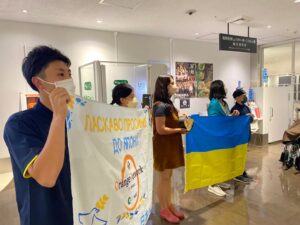
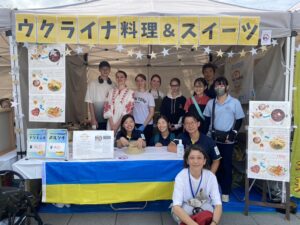
Working in partnership with Gyokuto Town Hall, our organization welcomed 17 Ukrainian evacuees from 6 households beginning in August 2022.
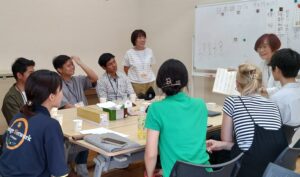
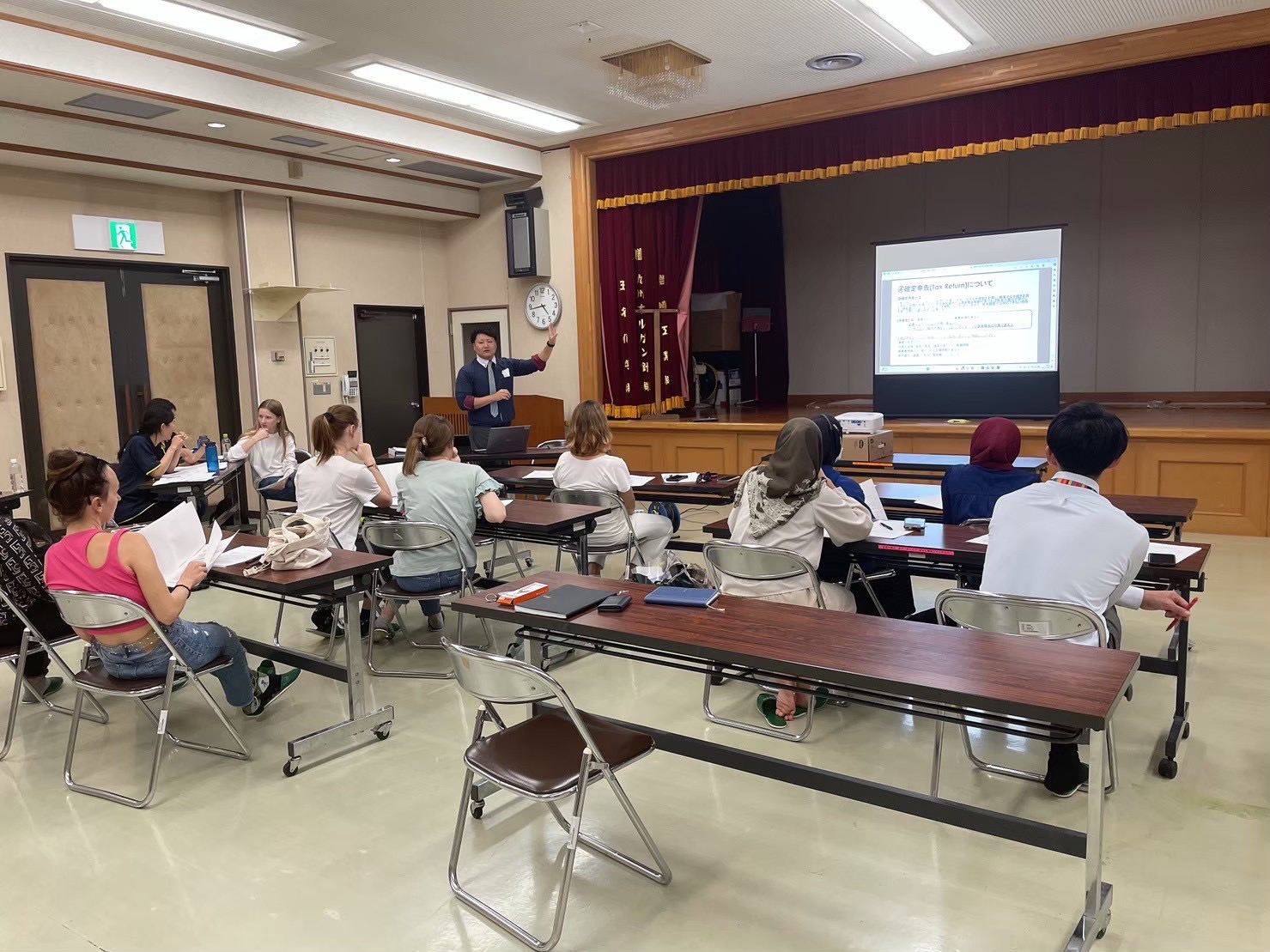
About a year after the evacuees arrived in Japan, town hall staff held a two-day follow-up orientation covering topics such as taxes, health insurance, and what to do in a disaster.
The orientation was open not only to Ukrainian residents but to all foreign nationals living in the area — and a diverse group showed up, including technical intern trainees eager to learn more about taxes, insurance, and residency status.
The experience made it clear that support was needed for a much wider range of foreign residents, not just those from Ukraine.
Opening the Foreign Resident Help Desk
In response, we opened a Foreign Resident Help Desk on the third floor of Gyokuto Town Hall in October 2024. The desk is open to anyone — foreign residents, Japanese residents, and anyone connected to the local international community.
Recognizing that many foreign residents work during the day and find it difficult to take time off on weekdays, we offer support not only in person but also via email, LINE, Facebook, and telephone interpretation in multiple languages.
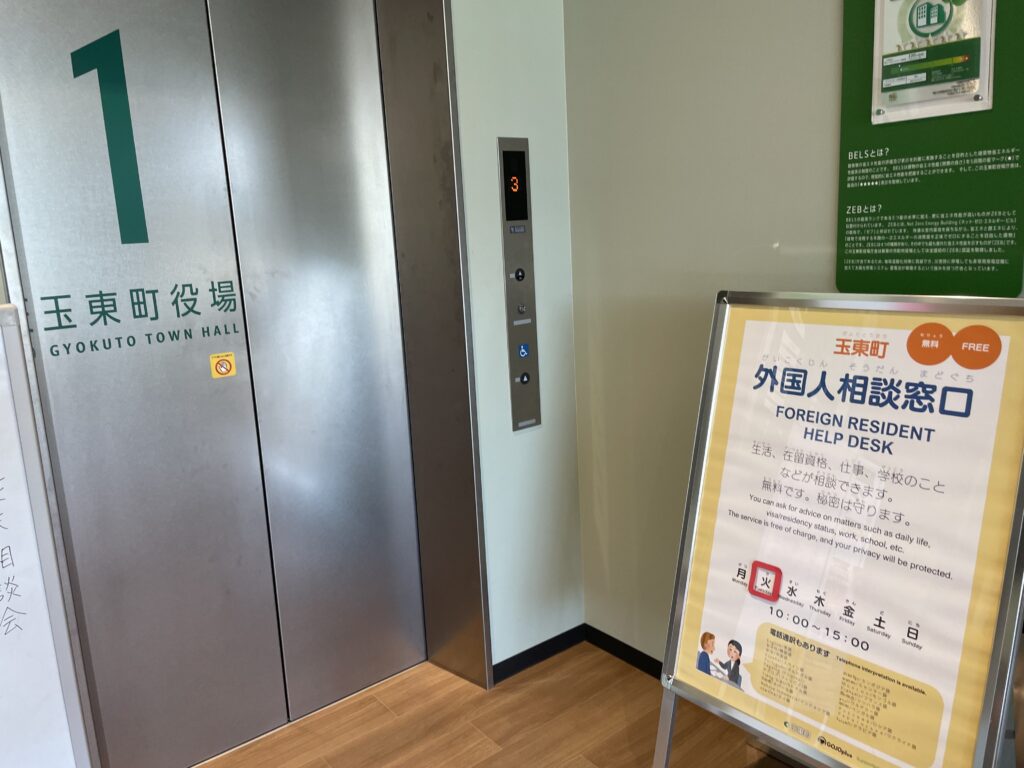
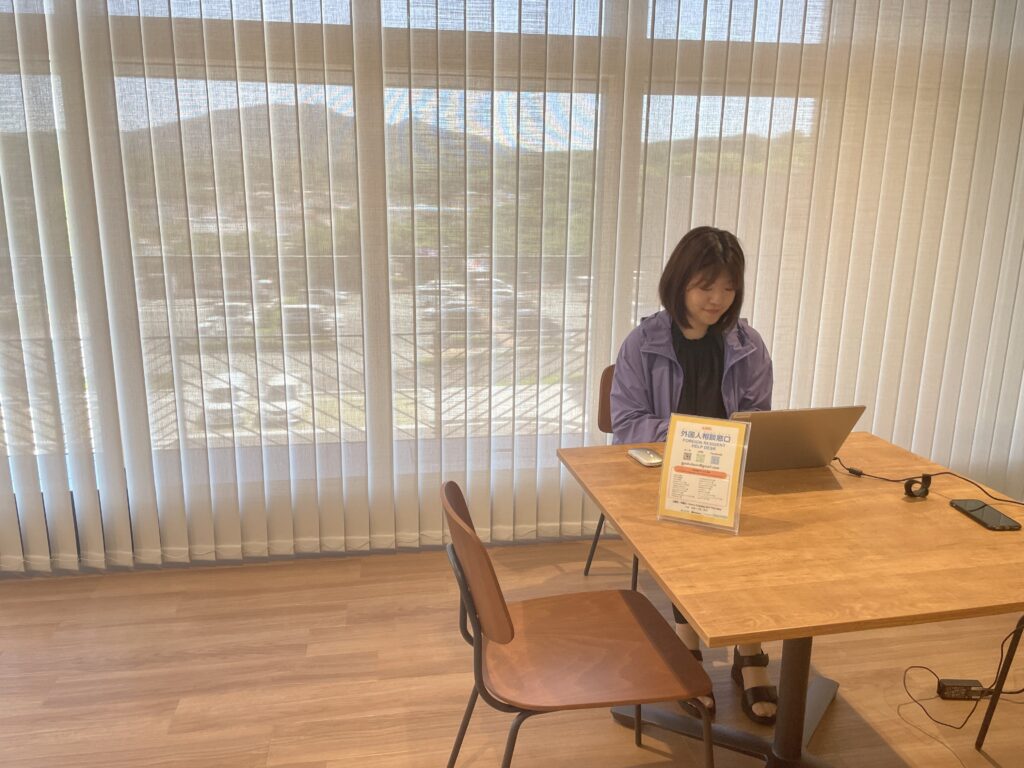
The desk is open every Tuesday and Thursday from 10:00 AM to 3:00 PM. (Thursday visits are by appointment only.)
-724x1024.png)
Building a System That Bridges the Language Gap
The help desk does more than respond to individual inquiries. We also help foreign residents understand how Japanese society works and how to access the services they need on their own.
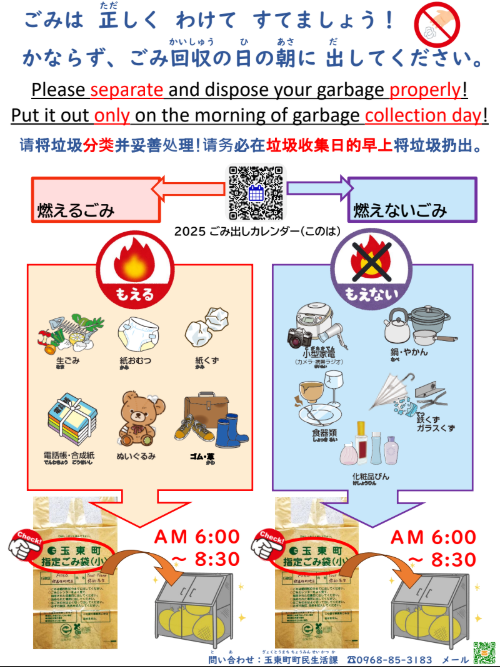
For example, we create and distribute easy-to-read materials — translated into plain Japanese and multiple languages — covering things like Japanese language education, local events, and how to sort and dispose of garbage, all tailored to the needs of foreign residents and the town.
These efforts make it possible to prevent problems before they arise, offering proactive support so that “I didn’t know” and “I couldn’t understand” become less common experiences.
We will continue to work together as a community to make sure the right information reaches every individual who needs it.
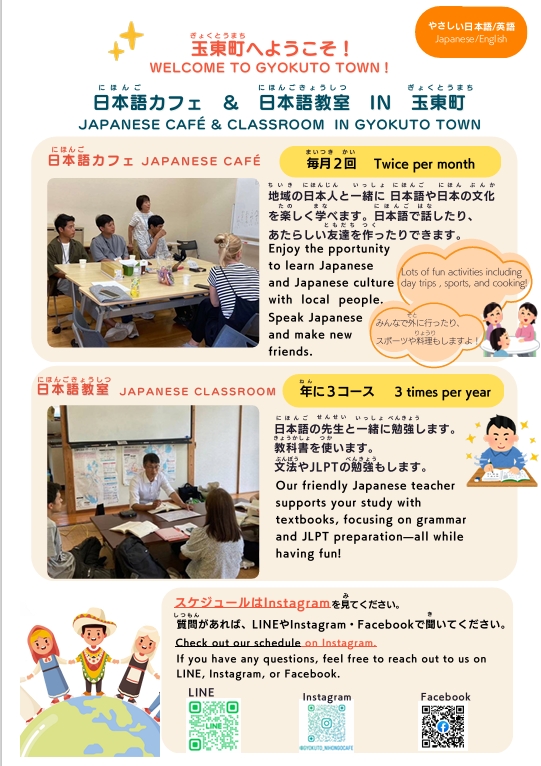
A Help Desk Open to the Whole Community
The help desk has gradually expanded its role beyond simply supporting the day-to-day lives of foreign residents — it has also become a place that helps people connect with the broader community.
We receive many inquiries from foreign residents about participating in local events such as community sports activities and harvest festivals, and more and more foreign residents are getting involved in local life as familiar, recognizable faces in the neighborhood.
The desk is also used by Japanese residents. Inquiries like “I’d like to invite my foreign neighbor to a local event” and “I’ve hired someone from overseas at work and I’m not sure how to approach it” are common — in fact, roughly half of all consultations come from Japanese residents.
Out of these everyday conversations, new ideas have emerged for improving multilingual materials and how information is shared with foreign residents. We will continue our work in the community, serving as a bridge between foreign residents and local people.